
Ancient Egypt Gods Explained: Secrets of the Oldest Civilization
Ancient Egypt Gods: History, Mystery, and Meaning
Why Ancient Egyptian Gods Still Fascinate Us!
When people think about ancient history, one civilization stands out for its deep mystery and powerful beliefs—Ancient Egypt. The gods of Egypt were not just religious symbols. They were part of daily life, government, nature, and the afterlife.
From the rising sun to the flooding Nile, Egyptians believed gods controlled everything. Understanding Ancient Egypt gods helps us understand one of the most influential ancient civilizations in human history. In this guide, you’ll learn who these gods were, what they represented, and why they still matter today.
Ancient Egypt and the Birth of a Powerful Belief System
The Role of Religion in Ancient Egypt
Religion was the backbone of Egyptian society. Every action—from farming to ruling—was connected to divine will.
Key beliefs included:
- Gods controlled natural forces
- Pharaohs were chosen by the gods
- Life continued after death
- Balance (Ma’at) kept the world stable
This belief system shaped temples, laws, art, and even medicine.
Major Ancient Egypt Gods and Their Power
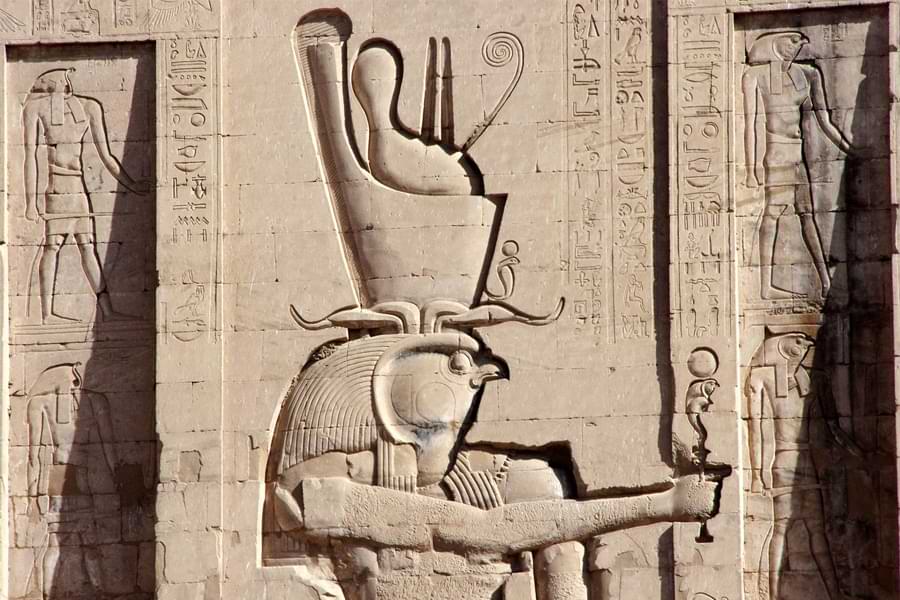
Ra – God of the Sun
Ra was the most powerful god. Egyptians believed he traveled across the sky by day and the underworld by night, bringing light and life.
Osiris – God of the Afterlife
Osiris ruled the world of the dead. He symbolized rebirth and eternal life, a key idea in ancient Egyptian belief.
Isis – Goddess of Magic and Motherhood
Isis was known for healing, protection, and loyalty. She was one of the most worshipped gods in Egypt and beyond.
Anubis – God of Mummification
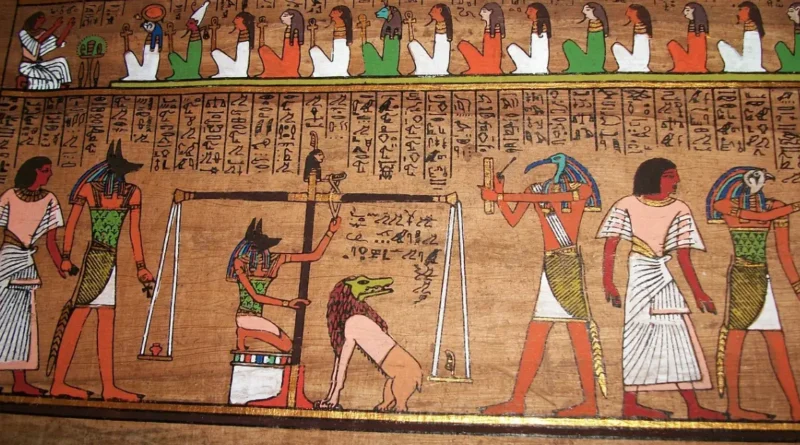
Anubis guided souls to the afterlife. He protected graves and oversaw the weighing of the heart.
Horus – God of the Sky
Horus represented kingship. Pharaohs were believed to be the living form of Horus on Earth.
Why Ancient Egypt Had So Many Gods
Unlike modern religions, ancient Egyptian belief was polytheistic—meaning they worshipped many gods.
Reasons include:
- Different gods ruled different natural forces
- Local regions had their own deities
- Gods evolved over time
- Myths explained life’s mysteries
This flexible belief system allowed Egypt to last over 3,000 years.
Key Features of Ancient Egypt Gods
Human and Animal Forms
Gods often had:
- Human bodies
- Animal heads (falcon, jackal, cat)
This symbolized their special powers.
Gods in Daily Life
People prayed for:
- Good harvests
- Health and protection
- Safe journeys
- Success in business
Temples were economic and spiritual centers.
Step-by-Step: How Egyptians Worshipped Their Gods
- Temple Rituals – Priests performed daily ceremonies
- Offerings – Food, incense, and statues
- Festivals – Public celebrations honoring gods
- Amulets – Worn for protection
- Afterlife Preparation – Tombs, spells, and mummification Religion was not optional—it was survival.
Common Myths and Mistakes About Egyptian Gods
Myth 1: Egyptians Worshipped Animals
Truth: Animals symbolized gods, not the other way around.
Myth 2: All Gods Were Equal
Truth: Some gods, like Ra and Osiris, were far more powerful.
Myth 3: Beliefs Never Changed
Truth: Egyptian religion evolved over centuries.
Avoiding these mistakes helps us understand ancient civilizations accurately.
Conclusion: The Lasting Legacy of Ancient Egypt Gods
The gods of Ancient Egypt were more than myths. They guided life, death, and everything in between. Through their stories, we gain insight into one of the world’s most advanced ancient civilizations.
By exploring this history and mystery, we connect with humanity’s earliest attempts to understand the universe. Ancient Egypt gods may belong to the past, but their legacy is timeless.