
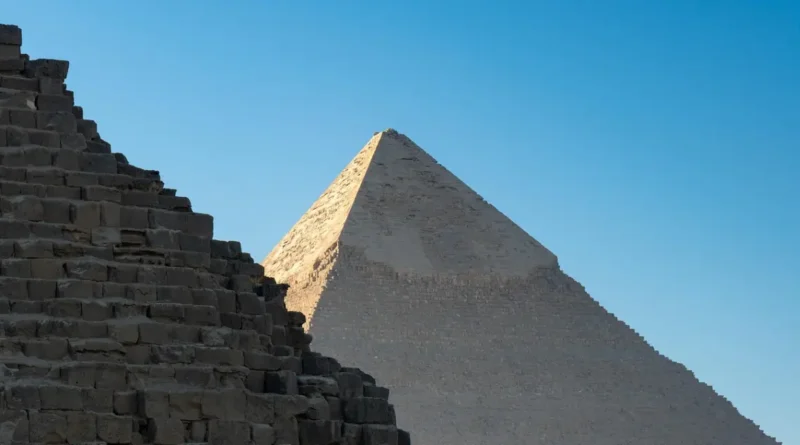
Why Is the Pyramid of Giza So Famous?
A Monument That Defies Time
When people think about Egypt and pyramids, one image stands above all others—the Pyramid of Giza. Built thousands of years ago, it still stands strong in the modern world. This alone raises a powerful question: why is the Pyramid of Giza so famous?
The answer goes beyond size or age. The fame of Giza and the pyramids comes from their deep connection to ancient history, advanced engineering, and the mysteries that continue to fascinate researchers and travelers today. In this article, you’ll discover why the Egyptian pyramids at Giza are considered one of the greatest achievements of the oldest civilizations in the world.
What Is the Pyramid of Giza?
The Pyramid of Giza is part of a group of three main pyramids located on the Giza Plateau, near Cairo. These pyramids were built during Egypt’s Old Kingdom period, around 2600 BCE.
The three main pyramids are:
- Great Pyramid of Giza (built for Pharaoh Khufu)
- Pyramid of Khafre
- Pyramid of Menkaure
Among them, the Great Pyramid is the most famous and the largest.
The Age Factor: A Window Into Ancient Civilisations
One major reason for the fame of the Giza pyramids is their age. The Great Pyramid is over 4,500 years old, making it a direct link to ancient civilisations.
Why Age Matters
- It was built long before modern tools or machines.
- It comes from one of the oldest civilizations in the world.
- It is the only surviving Wonder of the Ancient World.
This makes the Pyramid of Giza not just a structure, but a living record of ancient history.
Engineering That Still Amazes Experts
Even today, engineers and scientists are amazed by how the Egyptian pyramids at Giza were built.
Key Engineering Facts
- Made of over 2.3 million stone blocks
- Each block weighs between 2 to 15 tons
- Aligned almost perfectly with the four cardinal directions
- Built with extreme precision, without modern equipment
The accuracy and scale of construction raise ongoing questions and add to the pyramid’s mystery.
Religious Beliefs and the Afterlife
The pyramids were not just tombs. They played a key role in ancient Egyptian beliefs.
Ancient Egyptians believed:
- Pharaohs were divine rulers
- Death was a transition, not the end
- The soul needed a preserved body to reach the afterlife
The pyramid shape symbolized the sun’s rays, helping the pharaoh’s soul rise to the heavens. This spiritual meaning adds depth to why Egypt and pyramids are so closely linked in history.
The Mystery That Never Ends
Despite centuries of study, many questions remain unanswered.
Famous Mysteries of the Giza Pyramids
- How were the massive stones transported?
- Were ramps used, or another unknown method?
- Are there undiscovered chambers inside?
- Why was such perfect alignment achieved?
These unanswered questions keep the Giza pyramids in global discussions and documentaries, adding to their lasting fame.
Cultural and Global Importance
The Pyramid of Giza is more than an Egyptian monument. It is a global symbol.
Why It Matters Worldwide
- Recognized as a UNESCO World Heritage Site
- Studied in schools and universities globally
- Featured in films, books, and documentaries
- Visited by millions of tourists each year
For many, the pyramid represents human ambition, intelligence, and endurance.
Step-by-Step: Why the Pyramid of Giza Became World-Famous
- Built during the height of ancient Egypt’s power
- Designed with unmatched precision and scale
- Survived natural disasters and time itself
- Linked to royal burials and religious beliefs
- Surrounded by mysteries that spark curiosity
- Promoted globally through education and media
Each step strengthened its place in world history.
Conclusion: A Timeless Wonder of Human History
The fame of the Pyramid of Giza comes from a powerful mix of age, engineering skill, spiritual meaning, and mystery. It stands as proof that even the oldest civilizations in the world achieved greatness that still inspires awe today.
From Giza and the pyramids to the wider story of Egypt and pyramids, this monument continues to teach us about human creativity and ambition. That is why the Egyptian pyramids at Giza remain famous—and will continue to be—for generations to come.